Get a quote in minutes, compare top UK suppliers, and enjoy our best price guarantee!

Find the best business water rates

Learn how to compare deals and save on your business water costs.

Comparing business water rates online has never been simpler.

At Mo Utilities, We’ll make sure your potable and wastewater requirements are fully covered, with our award-winning customer support team ready to guide you every step of the way.

To get started, simply provide:

Your business postcode

The name of your current energy supplier(s)

Your annual energy usage (found on your latest bill)

Ready to ditch expensive rollover contracts and high deemed rates?

Start comparing business energy quotes today and see how much you could save!

Enter your business postcode to get customized quotes from the UK’s top providers.
Compare options to secure the most cost-effective rates. Plus, we’ll pay you £1,000 if we can’t beat your renewal quote!
Your account manager will handle all the paperwork and answer any questions you have about utilities.

Reasons to choose Mo Utilities for comparing business water rates

At Mo Utilities, we provide more than just a comparison tool – we offer dedicated support from a team of water experts. Our customer support specialists are here to assist you at every stage, ensuring a seamless transition.
We understand the complexities of commercial water contracts and guide you through every detail, so you can switch with confidence. From finding the best deals to finalizing contracts, we’re here to help every step of the way.
  • Expert advice tailored to your business’s needs
  • Competitive quotes from trusted water suppliers
  • Price comparisons based on your specific water requirements
  • Live pricing data for the most accurate quotes
  • Fully managed services from start to finish
  • Best prices guaranteed – we’ll pay you £1,000 if we can't beat your renewal quote!
  • Top-rated customer support (Excellent on Trustpilot)
  • Over 10 years of experience helping 90,000+ businesses save money by switching

Business Water Tariffs in 2024

Business water tariffs operate differently from energy, gas, and electricity bills. Unlike those, which can fluctuate regularly, water rates typically change once a year, on April 1st.
Region Default water supplier Water price (£) per cubic meter Wastewater price (£) per cubic meter
Anglian Water Wave 1.9334 2.1132
Northumbria Water Wave 1.4585 1.4702
Severn Trent Water Water Plus 1.9034 1.3605
South West Water Source For Business 2.1678 3.6864
Southern Water Business Stream 1.9706 2.5756
Thames Water Castle Water 2.0037 1.271
United Utilities Water Plus 2.0722 1.5133
Wessex Water Water 2 Business 2.6609 2.0882
Yorkshire Water Business Stream 1.8466 2.0866

Disclaimer: Business water rates are updated annually on April 1st. Rates for April 2024 have been revised.

What factors are impacting my bills at the moment?

Energy prices are influenced by a mix of global and local factors. Understanding these can help you manage costs and save money over time.
Learn more about what impacts your business energy bills by downloading our Pricing Guidance Report below
Feeling overwhelmed by the complexities of business water? Don’t worry, we’re here to help.

Understanding Business Water Rates

Our team of business water experts has created detailed articles to guide you through everything from understanding potable water charges to avoiding overpayments. Check out our latest guides below or visit our dedicated Energy & Utility Guides hub for the full collection.

Our Core Services

Business Electricity

We manage 20,000 electric meters for our commercial customers – So you’re in safe hands.

Business Water

With our help. You’ll get a better quality service, lower water bills and better value for money.

Business Gas

Get instant access to pricing from all major UK gas suppliers. We could help you save up to 65% on your business gas costs.

Business Energy

We’ll find the best prices with a hassle free service for both your business gas and electricity.

Is the cost of business water lower than that of domestic water?

Business water rates tend to be less expensive per unit compared to domestic rates, but various factors come into play. These include the nature of your industry, the volume of water used, and the location of your business. Additionally, some businesses may need specialized tariffs tailored to their requirements.

Although businesses often have higher water bills than households due to larger facilities and greater consumption, the per-unit cost is typically lower. This is largely because higher water usage allows for more favorable pricing structures.

With deregulation, businesses now have the flexibility to switch water suppliers, potentially reducing costs further. However, since water rates are regulated annually by Ofwat, staying updated on the market is essential to securing the best deals.

At Mo Utilities, our specialists consistently evaluate business water rates to ensure you receive the most competitive pricing, saving you the hassle of navigating this complex market on your own.

What kind of business do you operate?

We offer customized water rates designed to suit your business needs. Check out our plans for small, medium, and large businesses to discover the perfect fit.

Compare water rates for SME’s.

 Keep your SME’s expenses under control by selecting a competitive water tariff from a top supplier. We’ll provide you with the most manageable quotes and assist you in securing the best deal for your business.

Compare water rates for large businesses & public sector.

Water solutions designed for enterprises are perfect for large businesses with higher water consumption. We’ll help you find the most affordable commercial water tariff for your organization.

Guide to understanding business water comparison terminology

Unsure about the difference between default tariffs and wholesale rates? Don’t worry, we’ve got you sorted. Our business water specialists have clarified the jargon to help you better understand your contract and its coverage.
A licensed company tasked with delivering water services to business clients. They are responsible for sourcing, treating, and supplying water to your location, as well as managing wastewater disposal
The overall amount your business pays for water services, encompassing both wholesale water rates and retail charges. These rates include the supply of potable water, wastewater management, and related services.
The standard rate applied when your business has never switched from its original water supplier. This tariff is typically higher than the rates you can negotiate in the open market.
A commercial or industrial property that can participate in the open water market, enabling businesses to switch water suppliers for better rates and services.
A charge from your water supplier for administrative services such as meter readings, billing, and customer support. Retail fees are part of your total water bill.
An estimate of the amount of water returned to the sewer system after use. This calculation is usually based on the volume of potable water measured by your meter and is crucial for determining wastewater charges.
A modern meter that automatically transmits precise water usage data to your supplier, removing the need for manual readings and aiding in more efficient water consumption management.
A unique ten-digit code assigned to your business’s water supply points. It is used in the water industry to manage and locate your water service information.
The process of minimizing water usage and waste by implementing measures such as repairing leaks, installing smart meters, and using water-saving technologies. Enhanced water efficiency can result in considerable cost savings.
The part of your water bill that pays for the cost of water supply and sewerage services provided by the wholesaler, including the upkeep of infrastructure and the treatment of water and wastewater.
Higher charges applied when a business’s water contract has expired and no new agreement has been made. These rates can lead to a substantial increase in overall water costs.
A daily fixed charge to cover the costs of maintaining and operating the water meter at your premises, regardless of the amount of water used.
A fixed daily or monthly fee that covers the cost of maintaining the water supply infrastructure, such as pipelines and meters, regardless of water usage.
Water that is treated to be safe for drinking and other business uses. Charges for potable water are usually based on metered consumption.
Water that is not treated to drinking standards, commonly used for industrial processes, cooling, irrigation, or other non-consumable purposes.
Fees for the collection, treatment, and disposal of wastewater, including foul sewage, surface water drainage, and highway drainage. These charges are typically based on the amount of water returned to the sewer system.
A reduction in your water bill offered by some suppliers when a leak is detected and repaired, based on the amount of water lost due to the leak.
A marketplace for business water services that enables businesses to switch suppliers for better rates and service terms. It applies to non-household properties in deregulated areas.
An evaluation conducted to assess water usage, identify inefficiencies, and suggest ways to reduce consumption and costs. This is especially beneficial for businesses aiming to enhance water efficiency.
The date when your current water supply contract expires. It’s important to be aware of this date to plan any potential switch to a new supplier and avoid out-of-contract rates.

Success Stories

How are business water rates determined?

On the surface, water simply flows from our taps and down the drain, but business water rates involve much more behind the scenes. Unlike domestic water use, businesses often have higher and more diverse needs, resulting in more complex tariffs.

To help you navigate your business water tariff and secure the best deal, here are the key rates and charges commercial water suppliers use to calculate your bills:
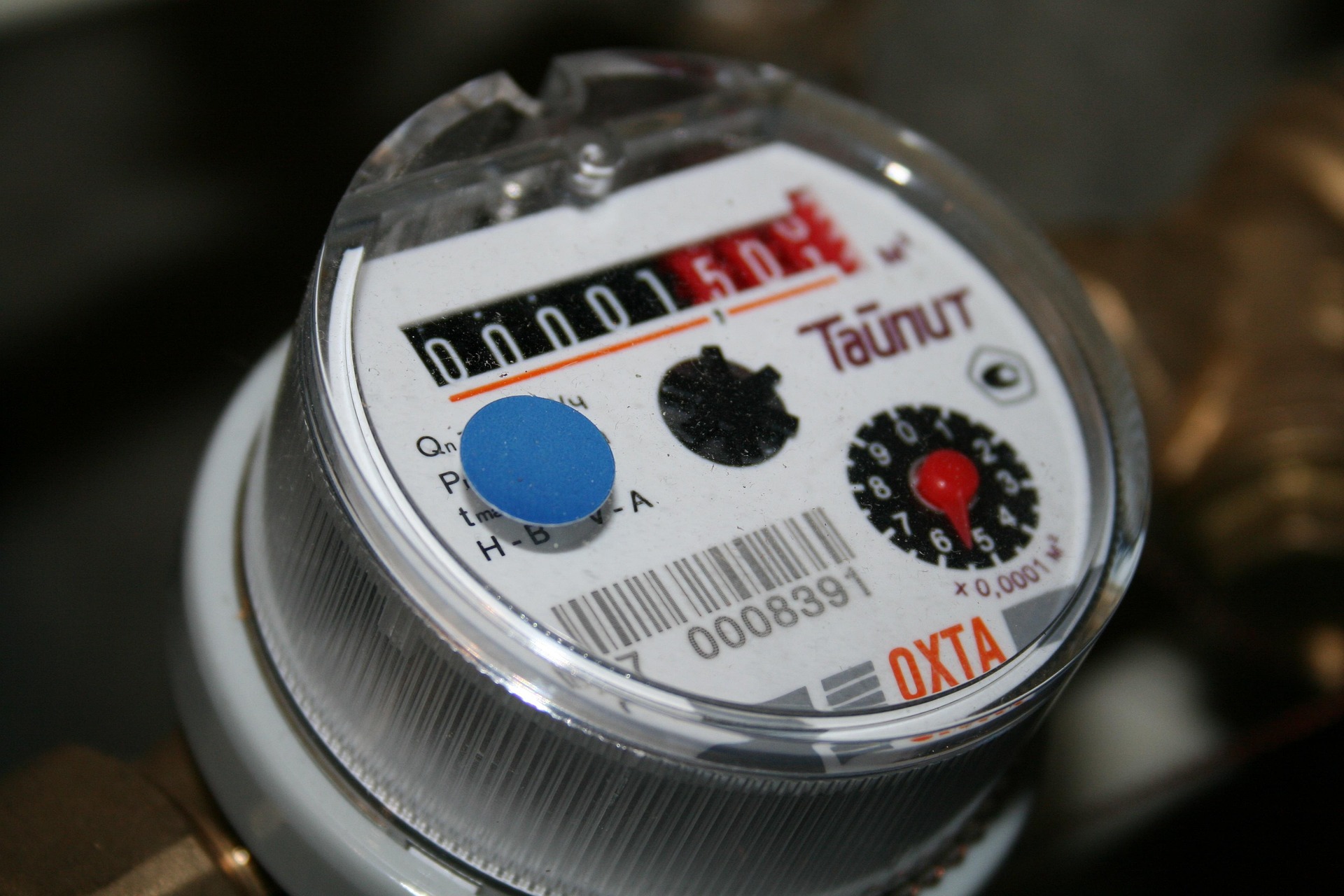
Potable Water Metered Rates

This fee is determined by the volume of clean water delivered to your premises. The more water you consume, the higher the charge. Regular meter readings ensure accurate billing.

Wastewater Metered Rates

This charge assumes that most clean water used on-site will enter the wastewater system. Meter readings calculate the volume of wastewater produced, which determines your wastewater charges.
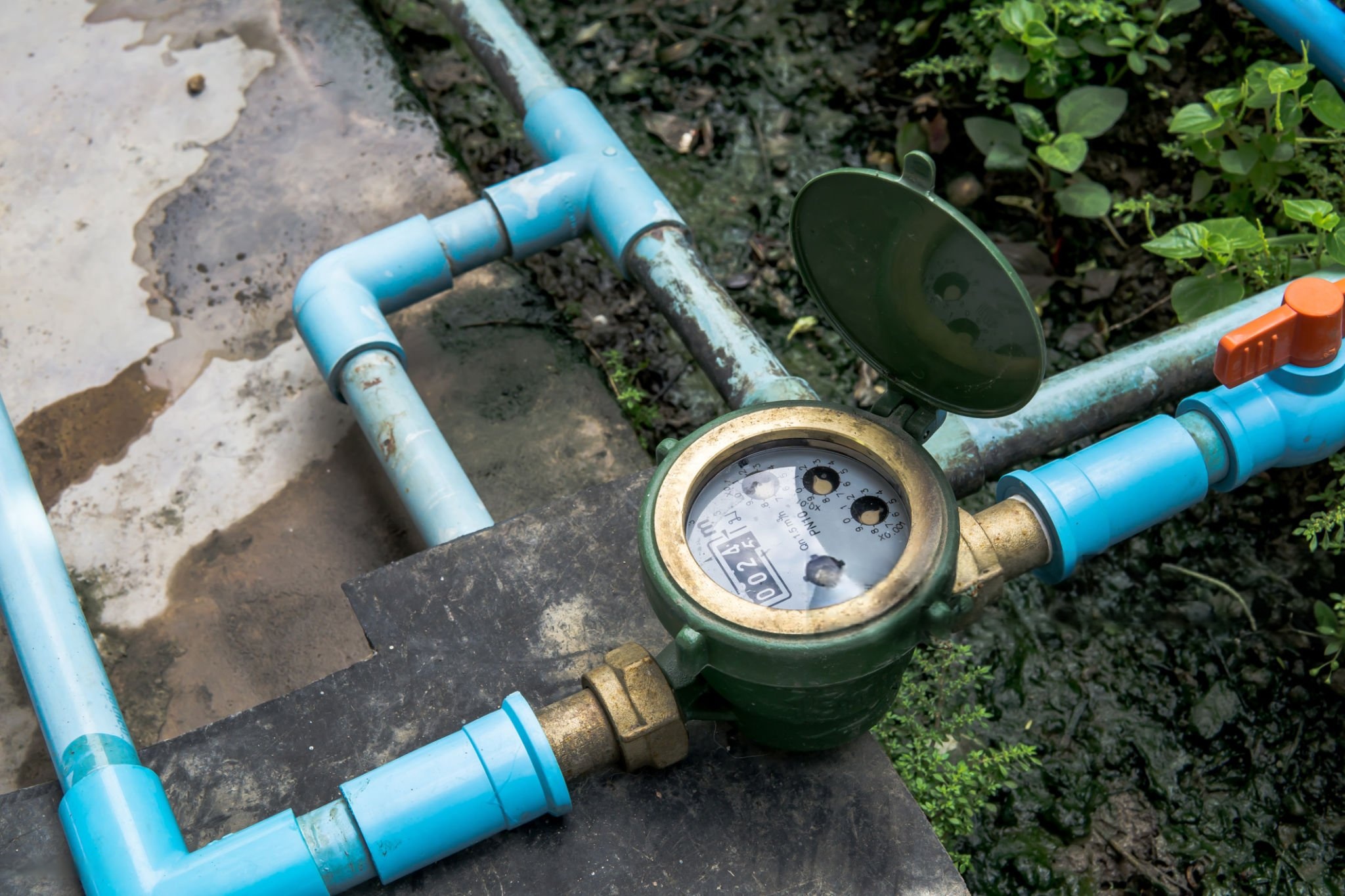

Potable Water Standing Charge

Also referred to as the metering charge, this is a fixed daily fee applied to all businesses, regardless of water usage. It covers the upkeep of pumping systems and external pipes that supply water to your property.

Wastewater Standing Charge

This fixed fee supports the maintenance of sewage systems, including the infrastructure required to transport wastewater from your premises through sewerage pipes.


Sewerage Charges

Business water bills also include fees for sewerage services, which typically consist of:

  • Foul Sewage: Covers the removal and treatment of wastewater from toilets, sinks, and internal drains. 
  • Surface Water Drainage: A charge for managing rainwater within your property boundary.
  • Highway Drainage: Covers the removal of water that drains from public roads and highways into the sewer system.
The six biggest energy suppliers in the UK, often referred to as the "Big Six," include British Gas, EDF Energy, E.ON, npower, Scottish Power, and SSE. While they have traditionally dominated the market, they are now facing growing competition from smaller energy providers.
Customized tariff plans that provide extra features or benefits, such as longer contract durations, bundled services, or improved customer support.
A tax on energy supplied to non-domestic users in the UK, the Climate Change Levy (CCL) is designed to motivate businesses to enhance energy efficiency and lower carbon emissions.
The Office of Gas and Electricity Markets (Ofgem) oversees the electricity and gas markets in Great Britain, ensuring that practices remain fair and competitive.
The timeframe in which you can change energy suppliers without facing penalties, usually towards the end of your contract.
A type of meter used by larger businesses that tracks energy usage every 30 minutes. Half-hourly meters offer detailed consumption data, helping businesses manage and reduce energy costs.

What is the difference between metered and unmetered water

When it comes to business water rates, companies generally have the choice between metered and unmetered billing. Knowing the difference between the two can help your business better manage water costs.

Metered rates

Metered water rates are based on actual usage. These contracts charge businesses according to the volume of water they consume, linking usage directly to cost. Metered rates are generally suitable for businesses with lower or variable water consumption, offering flexibility and potential savings.

Key features of metered water rates include:

  • Usage-based billing: Charges reflect the actual amount of water consumed by your business.
  • Water meter installation: A meter tracks the volume of water used on the premises.
  • Cost flexibility: Your bill increases with water use, but you only pay for what you consume.
  • Ideal for low/moderate usage: Best for businesses that manage water consumption or have modest water needs.
  • Encourages water conservation: Implementing water-saving measures can lead to potential cost savings.

At Mo Utilities, our specialists consistently evaluate business water rates to ensure you receive the most competitive pricing, saving you the hassle of navigating this complex market on your own.

Unmetered rates

Unmetered water rates follow a fixed-fee billing model. These contracts charge businesses a consistent rate regardless of their water consumption, offering predictable budgeting and cost stability. Unmetered rates are typically best for businesses with high or steady water usage, as they provide a stable expense without the risk of fluctuating costs.

Key features of unmetered rates include:

  • Fixed fee billing: Charges are based on a fixed rate, regardless of water usage.
  • Cost predictability: The fee remains the same, providing a stable monthly or annual cost.
  • Property-based charges: Rates are often determined by property size, business type, and other factors.
  • Less cost-effective for low usage: Businesses with low water consumption may pay more than necessary.
  • Potential advantages for high usage: Businesses with consistent or high water usage may benefit, as there’s no additional charge for increased consumption.

What’s a water audit all about?

A water audit is a detailed assessment of your business’s water usage, billing history, and current rates, aimed at uncovering potential savings. By examining your consumption habits and identifying inefficiencies, it can highlight opportunities to lower your water bills and enhance water management.

Instead of spending time searching for better rates, a water audit simplifies the process by doing the research for you, offering customized, cost-effective solutions suited to your business needs.

With a straightforward three-step approach, a water audit provides practical suggestions that can help your business reduce water costs and ensure you’re using resources efficiently without overpaying

Frequently Asked Questions

Answer 1

Discover the best business water rates for your company.

In just a few minutes, you could save hundreds on your business electricity bills.